
Practice and musical thought
Teaching
Violin, viola, academic writing, practice, technique, interpretation, and musical formation, developed through more than 20,000 hours of one-to-one and ensemble work with young musicians from beginner to advanced.
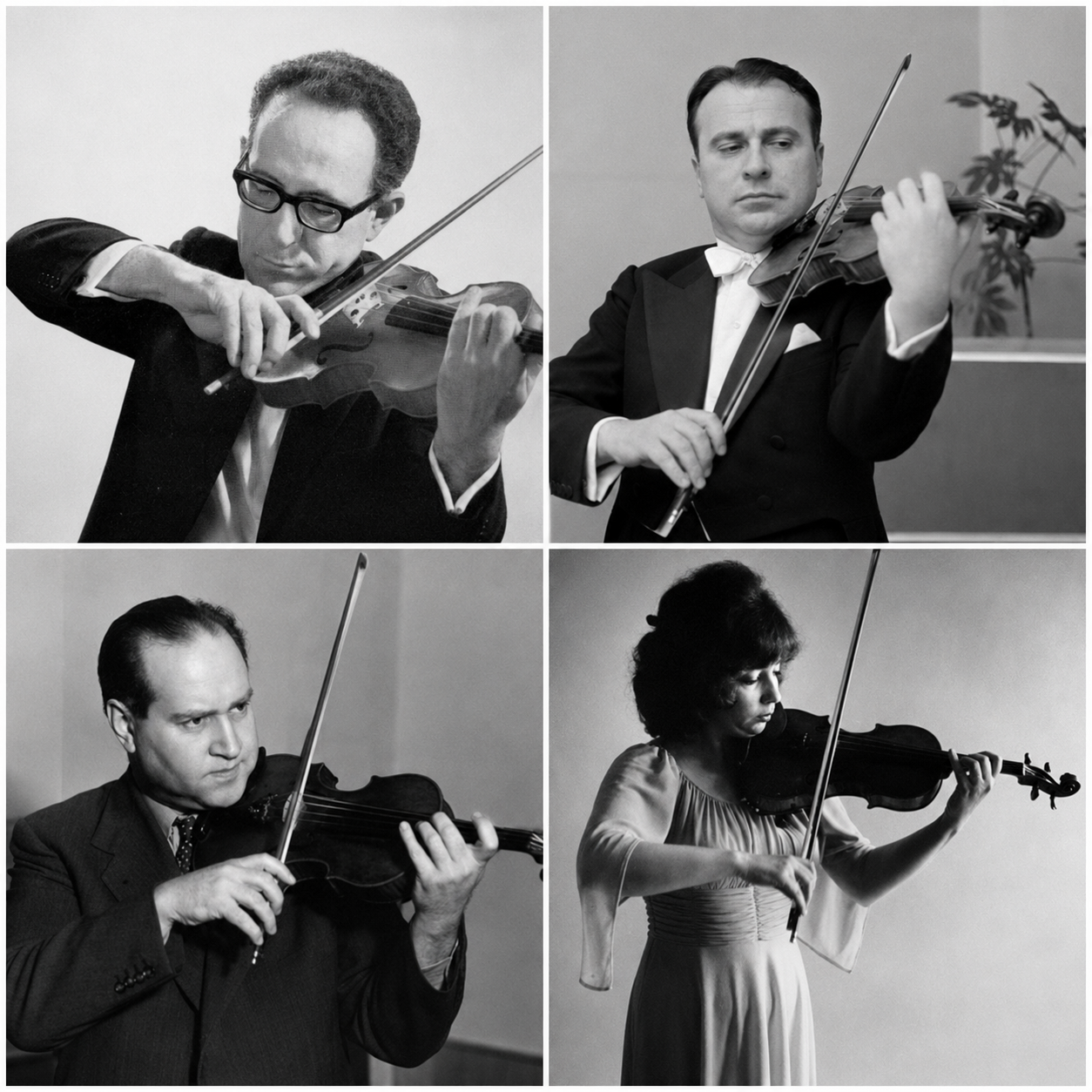
Teaching is approached as a long-form education in how a pupil learns — how they listen, practise, think, and gradually become independent in thought and discipline.
Approach
Technique, critical thinking, and discipline
The work of teaching is not confined to correcting notes. It involves the formation of a critical ear, physical ease, and informed musical taste.
Lessons therefore combine close technical work with broader musical thinking, so that practice method, performance preparation, and independent musical judgement develop together.


Practice
Practice as a method
Practice is taught as a disciplined method of thought, not simply as repetition. Pupils are guided to understand why a problem occurs, how to isolate it, how to test solutions, and how to transfer that process to new passages, new repertoire, and other forms of study.
Between lessons, pupils are encouraged to listen to themselves almost as a third-party observer: recording, comparing, diagnosing, and refining. The aim is not blind obedience to instructions, but the development of young musicians who can understand a difficulty, invent solutions, and become increasingly independent.
Materials
Custom editions and bespoke books
Teaching is supported by carefully prepared materials — custom editions, practical fingerings and bowings, and bespoke books made for particular students, repertoire, or pedagogical aims.
This editorial work connects teaching to performance and publishing: the score is treated not as a disposable worksheet, but as a serious object. Materials prepared with the care of a published edition help pupils approach their own work with greater attention, clarity, and musical responsibility.
Thought
Academic writing and research
Advanced students are encouraged to develop written and research skills alongside performance: learning how to organise musical ideas, use sources responsibly, cite properly, and write with clarity about repertoire, composers, style, performance, and interpretation.
With careful guidance, young musicians can learn to think and write with seriousness, precision, and intellectual independence far earlier than is often assumed.
Performance
Exams, scholarships, auditions, and concerts
Students are prepared for graded examinations, diplomas, scholarships, auditions, and ensemble work. Technical security is treated as a foundation for musical communication, not as an end in itself.
Performance preparation builds the composure and presence to remain musically convincing under pressure.
Private access
Digital Education and Repertoire Manager
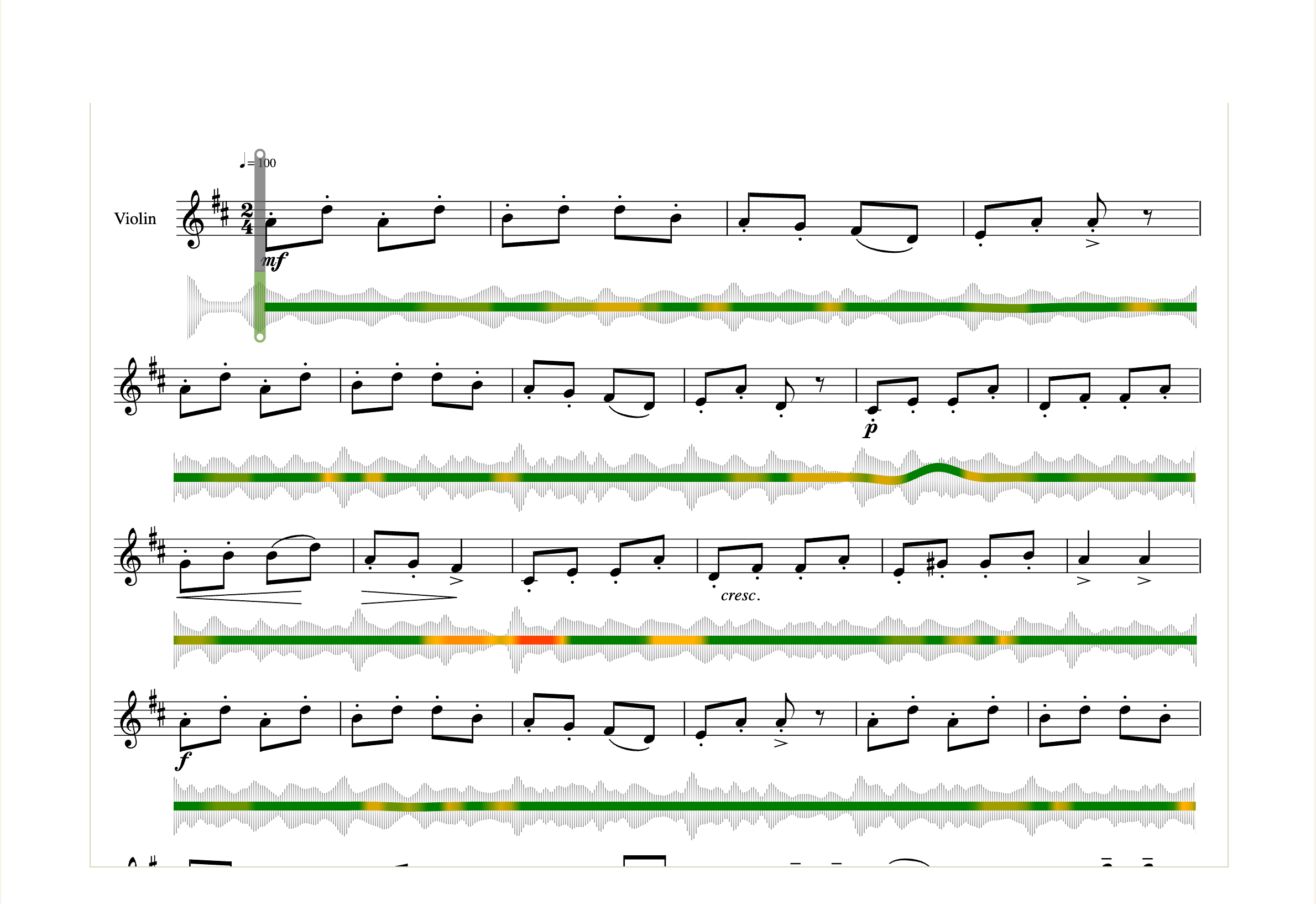
Current students work between lessons through the Digital Education and Repertoire Manager (DERM), a custom-built practice-support platform giving access to lesson notes, scores, recordings, and assignments, and keeping practice guided rather than left to chance. In its first year it produced more than 1,500 lesson notes totalling over a million words, alongside 362 interactive scores that follow a student’s practice and flag where attention is needed.
Student Portal